_4c0e244a.png)
From Compliance to Capital
Four core service areas designed to help investors, corporates, and institutions navigate the intersection of environmental regulation and capital deployment in ASEAN & emerging markets.
Environmental & Social Due Diligence
IFC-Aligned ESDD for Informed Investment Decisions
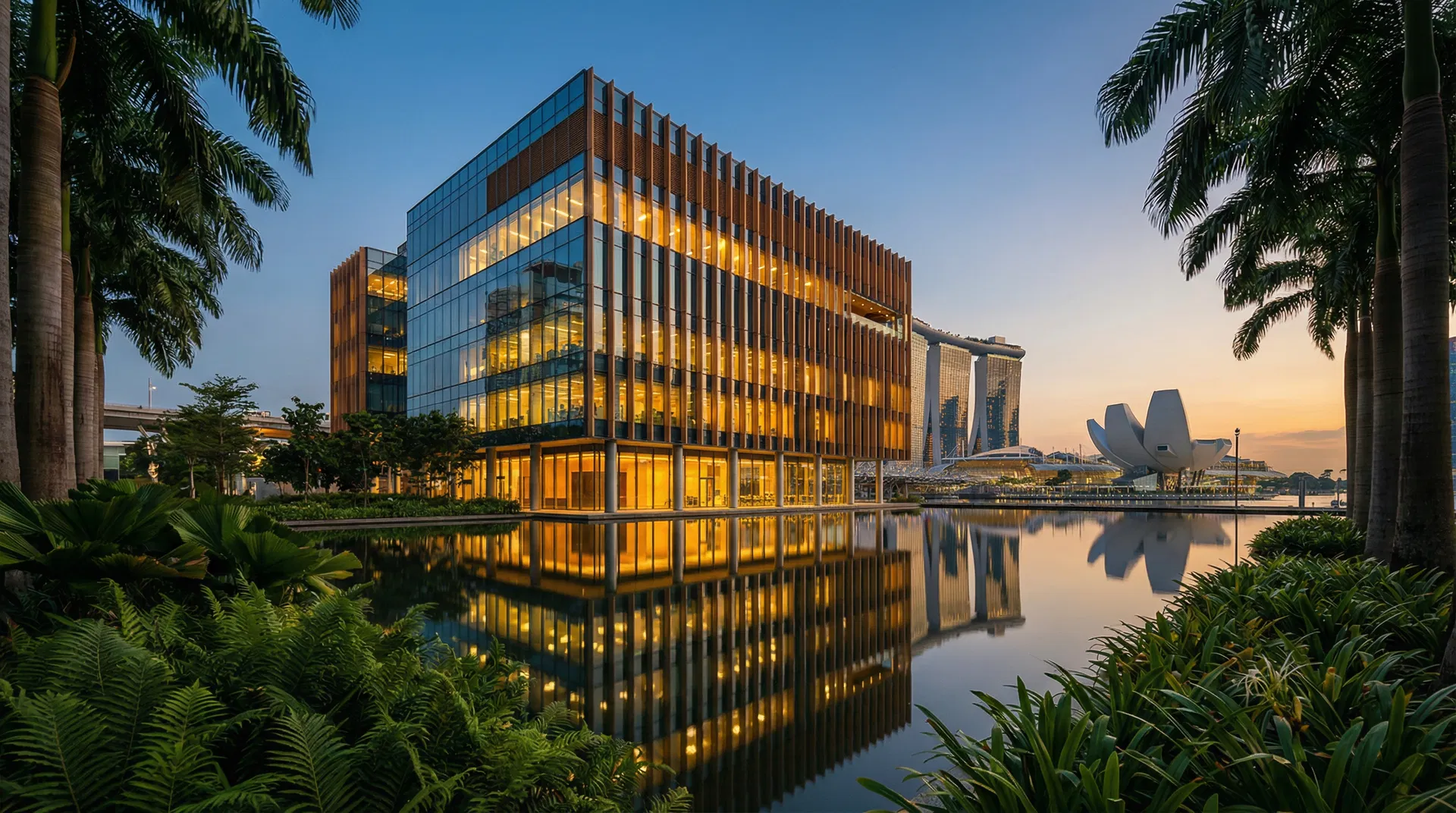
Our Environmental and Social Due Diligence (ESDD) services are structured around the IFC Performance Standards and Equator Principles — the global benchmarks for responsible investment. We go beyond checkbox compliance to deliver actionable risk assessments that inform deal structuring, pricing, and post-investment monitoring.
With ASEAN attracting over $230 billion in FDI annually, investors face complex E&S landscapes ranging from Singapore's mature regulatory framework to Myanmar's emerging governance structures. A one-size-fits-all approach fails. Our ESDD is calibrated to local regulatory contexts while meeting international lender requirements.
Key Deliverables
Climate Risk & Transition Planning
TCFD/ISSB-Aligned Climate Strategy for a Changing Regulatory Landscape
Climate disclosure is no longer voluntary in ASEAN's major economies. Singapore mandates ISSB-aligned reporting for listed issuers starting FY2025. Malaysia's Bursa Malaysia requires TCFD-aligned disclosures. Thailand's SEC has issued climate reporting guidelines. We help organizations move from compliance burden to strategic advantage.
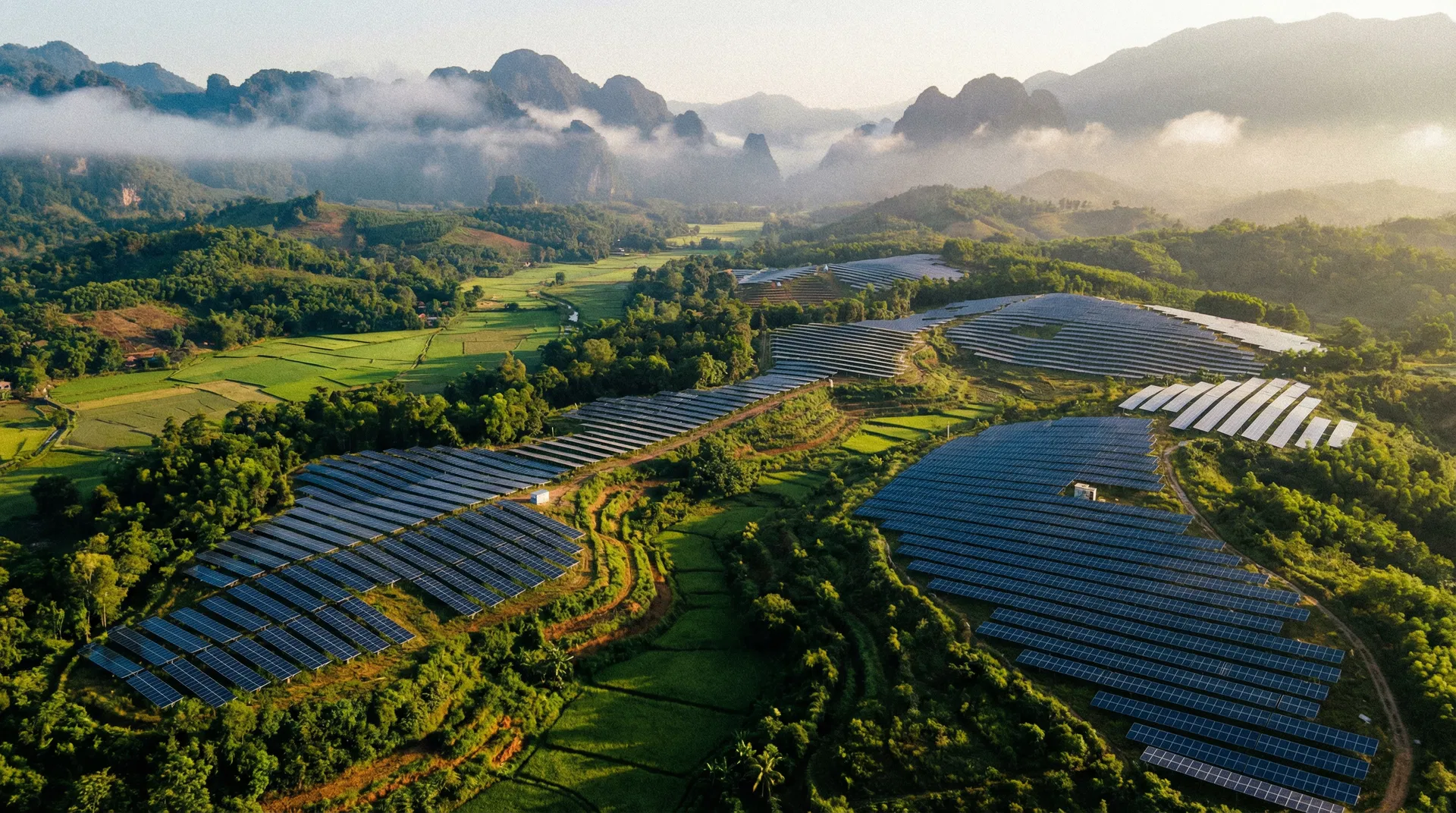
Physical climate risks in ASEAN are acute — from sea-level rise threatening coastal infrastructure to extreme heat reducing agricultural productivity. Transition risks are equally significant as carbon pricing mechanisms emerge across the region. Our assessments quantify both dimensions to inform capital allocation decisions.
Key Deliverables
Biodiversity & Nature-Based Finance
TNFD-Ready Assessments and Nature-Positive Investment Strategies
The Taskforce on Nature-related Financial Disclosures (TNFD) is rapidly becoming the biodiversity equivalent of TCFD. With the Kunming-Montreal Global Biodiversity Framework requiring nations to protect 30% of land and ocean by 2030, nature-related risks are moving from the periphery to the center of investment analysis.
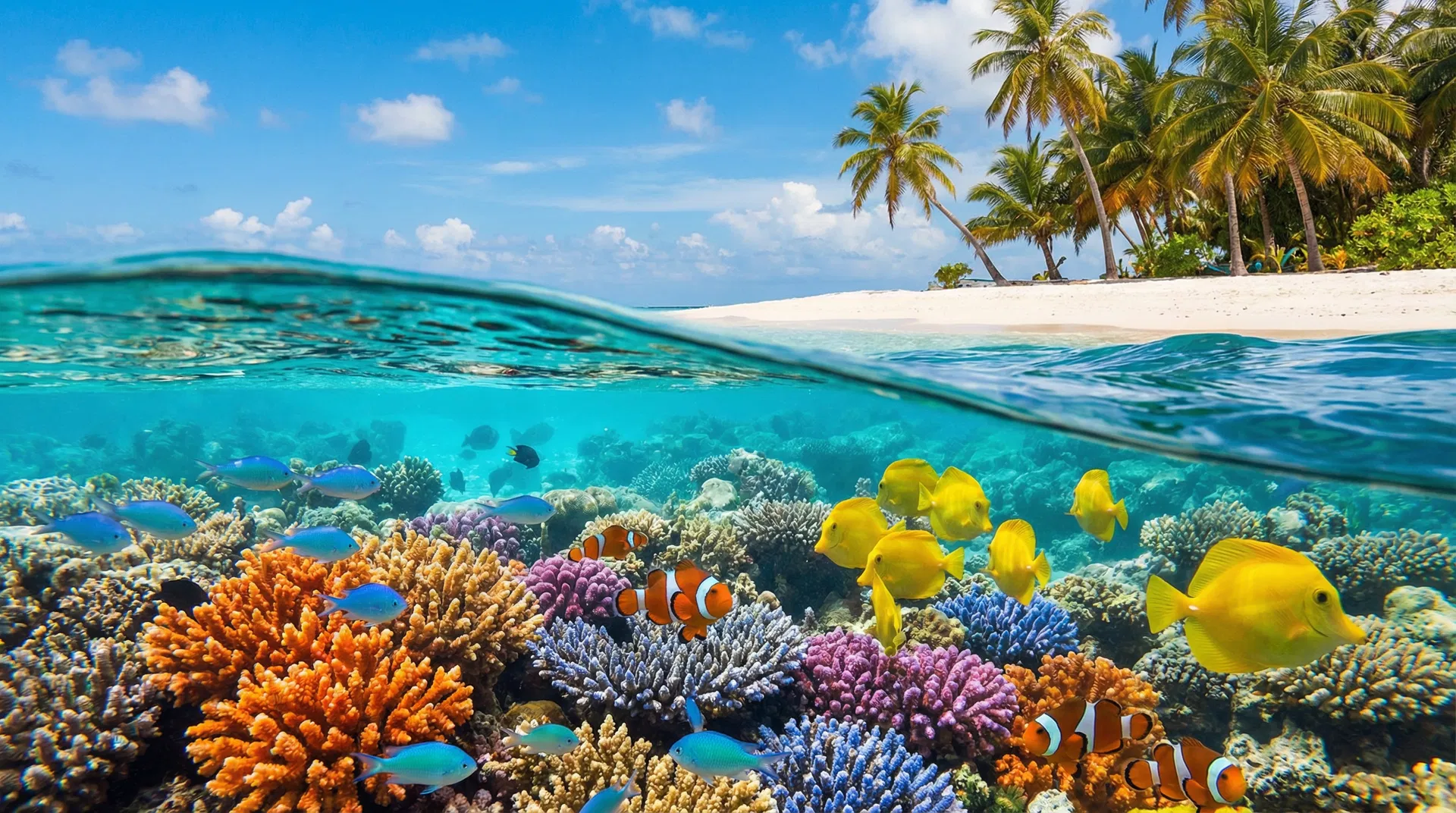
ASEAN hosts 4 of the world's 36 biodiversity hotspots and 30% of global coral reef area. Nature-based solutions in the region — from mangrove restoration to sustainable aquaculture — represent a $2.5 trillion opportunity. We help investors and corporates assess nature-related dependencies, impacts, and opportunities using the TNFD LEAP framework.
Key Deliverables
Blue Finance Advisory
Structuring Capital for the Ocean Economy
The blue economy — encompassing sustainable fisheries, marine renewable energy, coastal tourism, and ocean conservation — represents a $2.5 trillion annual value globally. Yet blue finance instruments remain nascent, with only $5 billion in blue bonds issued to date against a $175 billion annual investment gap for SDG 14.
We bring deep expertise in structuring blue finance instruments for Small Island Developing States (SIDS) and coastal nations. From the landmark Belize debt-for-nature swap ($553M) to the Seychelles sovereign blue bond ($15M), we understand the mechanics, stakeholders, and regulatory frameworks that make these deals work.
Key Deliverables
$2.5T
Annual value of the global ocean economy. Blue finance instruments are the key to unlocking sustainable investment at scale.
Blue bonds issued
Annual SDG 14 gap
Need a Tailored Engagement?
Every engagement is scoped to your specific context. We don't sell off-the-shelf reports — we deliver strategies that work in your market.
Discuss Your Needs